
Critical Cybersecurity in Transportation: 5 Lessons From Real Attacks
Recent cyber attacks on freight brokers, logistics providers, and motor carriers demonstrate that cybersecurity in transportation is an urgent operational requirement. Learn how modern intrusions unfold and discover essential controls to safeguard your fleet dispatch and cargo systems fast.
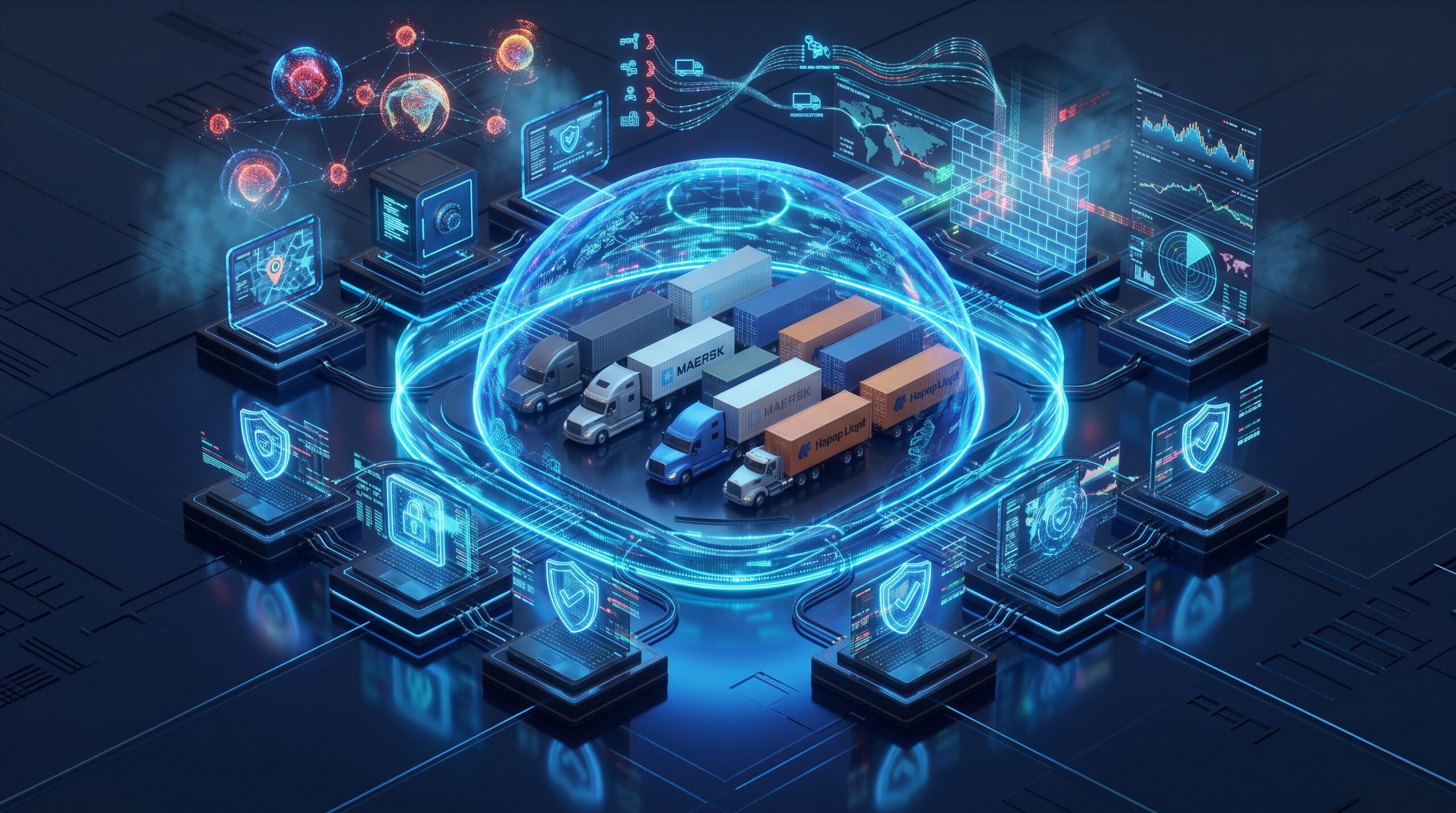
High-profile supply chain disruptions prove that cybersecurity in transportation is fundamental to keeping trucks moving and freight delivered on schedule. Logistics operations rely heavily on cloud-based Transportation Management Systems (TMS), electronic logging devices (ELDs), and continuous digital dispatch communications.
When cybercriminals strike transportation and logistics companies, the impact extends far beyond compromised computers. Shipments are halted at terminals, perishable freight is spoiled, drivers are stranded without load confirmations, and thousands of dollars in factoring settlements are stolen. Federal guidance from the CISA Critical Infrastructure Guidance highlights transportation as a prime target for ransomware syndicates.
Recent security incidents across motor carriers and freight brokerages reveal four major operational vulnerabilities that demand immediate attention under any robust cybersecurity in transportation program:
Ransomware Paralysis: Why Cybersecurity in Transportation Requires Immutable Backups
Recent attacks demonstrate that ransomware operators targeting cybersecurity in transportation specifically focus on crippling online backups first. Attackers spend days elevating network privileges, locating storage area networks (SANs), and deleting system volume shadow copies before deploying malware.
When a carrier suffers an unmitigated ransomware attack, operations halt instantly: dispatchers cannot track vehicles, warehouse staff cannot generate Bills of Lading (BOLs), and accounts payable cannot fund driver fuel cards.
To survive ransomware without paying extortion ransoms, cybersecurity in transportation frameworks must deploy write-once, read-many (WORM) immutable backups that remain isolated from primary Active Directory environments.
Email Compromise: The Engine of Freight and Cargo Fraud
While ransomware receives the most attention, business email compromise (BEC) causes devastating financial losses across the logistics vertical daily. Attackers spear-phish dispatchers and accounting staff to steal Microsoft 365 or Google Workspace credentials.
Once inside the inbox, fraudsters quietly observe email threads for pending load rate confirmations. By creating automated forwarding rules, they alter bank routing numbers, execute fraudulent factoring requests, or impersonate legitimate motor carriers in double brokering scams.
Official advisories from the FMCSA Carrier Identity Guidelines emphasize that logistics companies must enforce strict out-of-band phone verifications for all banking changes rather than trusting email instructions alone.
Connected Fleets: Telematics and ELD Surface Vulnerabilities
Modern commercial fleets rely heavily on connected devices: electronic logging devices (ELDs), engine control modules (ECMs), GPS trackers, and smart in-cab tablets. These tools constantly transmit engine diagnostics, driver hours, and cargo tracking data to cloud servers.
Insecure vehicle-to-cloud APIs and unmanaged driver tablets create potential entry points into central transportation networks, exposing sensitive shipper information and vehicle locations.
- API Security: Third-party integrations between fleet telematics and dispatch dashboards must use authenticated, rotating tokens.
- Mobile Device Management (MDM): In-cab tablets must be locked to approved applications, disabling unverified third-party app installations.
- Network Segmentation: Operational telemetry systems must remain logically segregated from corporate billing and administrative databases.
The Monitoring Gap: Why Traditional Antivirus Fails Logistics
In many attacked transportation firms, forensic post-incident reviews reveal that threat actors were inside the network for weeks before detonating ransomware. They spent that time learning operational schedules, stealing customer lists, and mapping internal infrastructure.
Legacy antivirus software fails to alert staff because modern intruders use living-off-the-land techniques—abusing legitimate administrative utilities like PowerShell, WMI, and Remote Desktop rather than deploying obvious virus files.
Maintaining resilient cybersecurity in transportation requires modern Endpoint Detection and Response (EDR) or Managed Detection and Response (MDR) monitored 24/7/365 by a Security Operations Center (SOC) capable of isolating infected systems instantly.
Transportation Cybersecurity Defense Checklist
Transportation executives, fleet owners, and logistics IT leaders should immediately review these operational safeguards to ensure robust cybersecurity in transportation:
- Enforce phishing-resistant multi-factor authentication (MFA) across all email accounts, TMS portals, and remote access links.
- Deploy 24/7 Managed EDR/MDR across all dispatch workstations, field laptops, and on-premise servers.
- Establish an immutable, air-gapped backup repository for mission-critical TMS and billing databases.
- Implement strict out-of-band voice authentication procedures for any vendor or carrier requesting changes to payment accounts.
- Enforce email domain authentication protocols (SPF, DKIM, and strict DMARC reject policies) to stop email spoofing.
- Secure mobile ELD units and driver tablets with centralized Mobile Device Management (MDM) software.
- Conduct recurring, role-based phishing simulations specifically designed around transportation and load board scenarios.
- Maintain and test a documented Incident Response Plan (IRP) with defined operational recovery procedures.
Strengthen Cybersecurity in Transportation & Fleet Operations
A single ransomware outbreak or compromised email account can paralyze your trucks, compromise sensitive shipper data, and cause catastrophic revenue loss. Vector Shield Cybersecurity delivers specialized defense engineered for the fast-paced transportation and logistics sector.
From deploying 24/7 EDR monitoring and securing cloud email environments to conducting complete supply chain vulnerability assessments, our team helps keep your fleet moving securely.
Cybersecurity in Transportation FAQs
Clear answers to the most common questions freight carriers and logistics companies face regarding cyber resilience.
Transportation operates on strict, time-sensitive schedules where any operational delay leads to immediate financial losses, perishable cargo damage, and breach of contract. Attackers know logistics companies cannot tolerate downtime, making them prime targets for extortion.
Most breaches begin through targeted phishing emails directed at dispatchers, unpatched remote desktop protocol (RDP) connections, or stolen credentials harvested from vulnerable third-party portal integrations.
BEC allows attackers to intercept communications between brokers, shippers, and motor carriers to redirect high-dollar factoring payments, forge load assignments, or execute unauthorized double brokering schemes.
Yes. Insecure telematics APIs and unmanaged driver tablets can expose real-time GPS locations, route plans, and cargo manifests, creating operational security risks and potential conduits into central dispatch infrastructure.
Vector Shield Cybersecurity delivers end-to-end protection for freight and logistics operations. We implement 24/7 EDR/MDR threat monitoring, phishing-resistant MFA, immutable cloud backups, DMARC email spoofing defenses, and tailored phishing simulations to protect dispatch environments.