The true cost of a data breach goes far beyond the immediate financial loss. Downtime, recovery, legal risks, customer notification, lost business and damaged trust can all add to the impact of a single security incident.
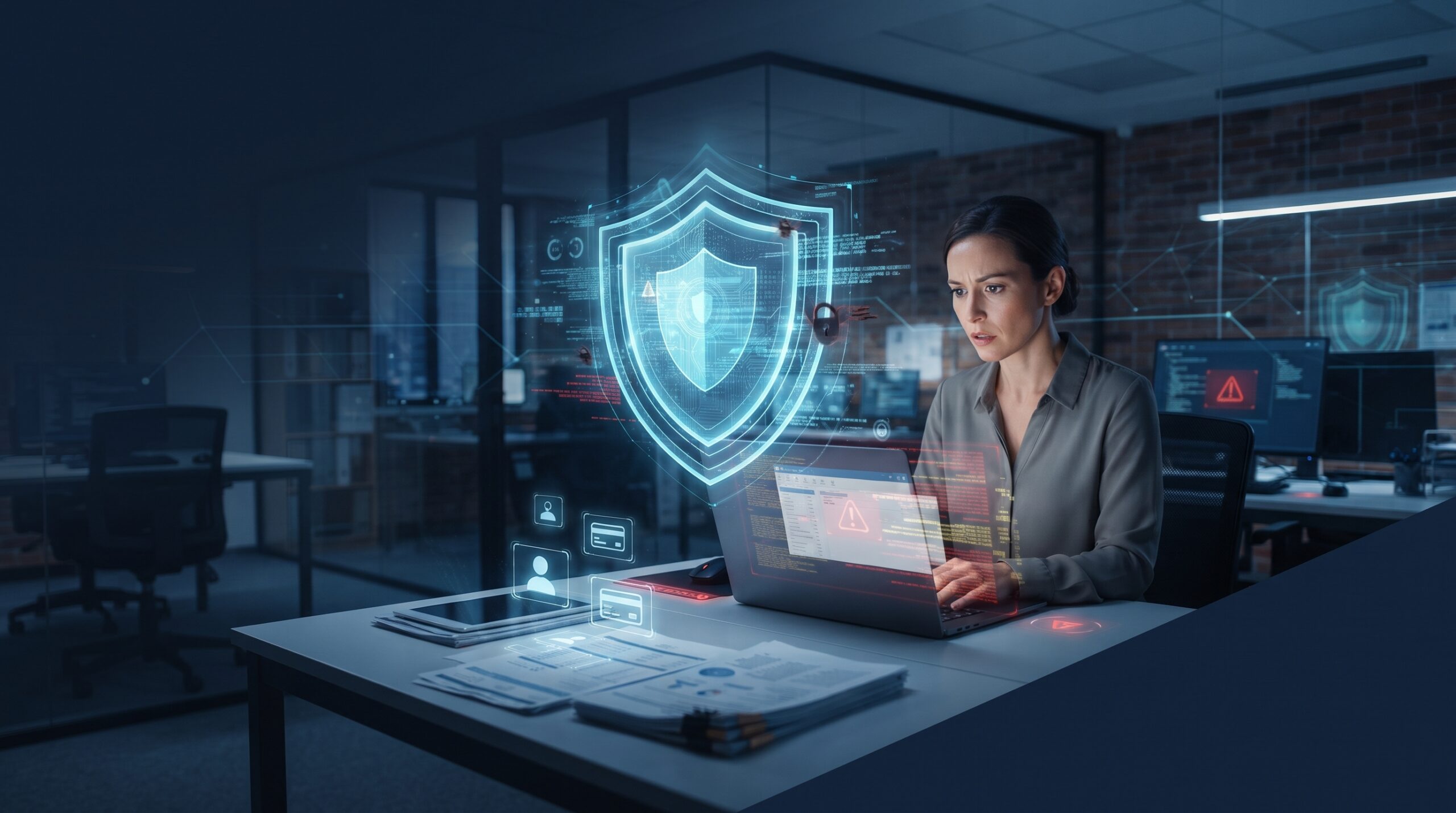
The true cost of a data breach goes far beyond the immediate financial loss. When most people think about a data breach, they picture a major corporation in the headlines, millions of dollars in losses, lawsuits and public apologies.
But cybersecurity incidents can create serious operational and financial pressure for small businesses too. A compromised account, ransomware attack, malicious software or stolen customer information can disrupt normal operations in a matter of hours.
The impact may include downtime, investigation and recovery costs, customer communication, legal obligations, lost opportunities and damage to customer trust.
Preparing before an incident can help a business respond faster, limit disruption and protect important systems and information.
There is no single price tag for a data breach. The total impact depends on the type of incident, the information involved, how long systems are disrupted and how quickly the business responds.
Systems may need to be isolated or taken offline while a security team investigates the incident. Lost productivity, delayed projects and missed sales can quickly increase the overall impact.
Operational ImpactBusinesses may need forensic investigation, malware removal, system restoration, credential resets and additional security controls after an incident.
Recovery CostsDepending on the information involved and applicable laws, businesses may have notification, communication or support obligations after a breach.
Customer ImpactA breach can create legal and regulatory responsibilities, depending on the business, location, information involved and applicable requirements.
ComplianceCustomers may hesitate to continue doing business with an organization after a security incident. Lost contracts and referrals can extend the impact beyond the initial response.
Revenue RiskReputation can be one of the hardest consequences to measure. Customers expect businesses to protect the information entrusted to them.
PricelessA serious incident does not always begin with an advanced hacking operation. Sometimes it starts with a single compromised account, an outdated system or an employee clicking a convincing phishing message.
A phishing message captures an employee's credentials. An attacker can then attempt to access email, sensitive conversations or payment-related information.
Malware can encrypt important files or systems. Without reliable backups and an incident response plan, recovering normal operations can become significantly more difficult.
Malware or an exploited vulnerability can affect a website, booking system or online form and potentially expose visitors or business information.
Attackers often take advantage of weaknesses that businesses can address through basic security controls, employee awareness and continuous monitoring.
Reused credentials can expose multiple accounts if one password becomes compromised.
Attackers use convincing messages to trick people into revealing credentials, payment information or access.
Delayed security updates can leave known vulnerabilities available to attackers.
Without protected and tested backups, recovery from ransomware or destructive incidents becomes harder.
Threats can remain undetected longer when unusual activity is not monitored and investigated.
Businesses can lose valuable time when nobody knows who should respond, what systems to isolate or what steps come next.
You cannot eliminate every cyber risk, but you can make your business harder to compromise and better prepared to respond.
Endpoint Detection and Response can continuously monitor endpoint activity and help identify suspicious behavior that traditional antivirus alone may not detect.
Regular security awareness training and phishing simulations can help employees recognize common attack techniques.
Identify the systems, accounts and data that matter most, then prioritize the weaknesses that could create the greatest impact.
Back up important business data regularly, protect the backups from unauthorized access and test that data can actually be restored.
MFA adds another layer of protection when passwords are stolen or compromised.
Define who should be contacted, how systems will be isolated, how evidence will be preserved and how customers or regulators may need to be notified.
Start with these practical controls and improve your cybersecurity over time.
Use unique, strong passwords and a password manager.
Enable MFA on important business accounts.
Keep operating systems, applications and security tools updated.
Train employees to recognize phishing and social engineering.
Maintain protected backups and test restoration.
Monitor endpoints and investigate suspicious activity.
Create and regularly review an incident response plan.
Review who has access to sensitive business information.
Vector Shield Cybersecurity helps small businesses strengthen their security posture before an incident becomes a business emergency.
Monitor systems for suspicious activity and security events.
Endpoint protection designed to identify and respond to threats.
Help reduce the risk of malicious links, attachments and credential theft.
Identify weaknesses and prioritize practical security improvements.
Get support when systems, devices or accounts need attention.
Support for businesses dealing with HIPAA, PCI or other cybersecurity requirements.
Ask Vector Shield about the protection package that fits your business.
The direct costs of a breach are only part of the picture. When we help a business recover from a compromised email account or infected computer, much of the damage comes from lost time: staff who cannot work, customers who need to be warned, passwords that must be reset everywhere, and machines that have to be cleaned or rebuilt.
The businesses that recover fastest usually have a few things in common. They know who to call, they have backups that actually restore, and they have monitoring that caught the problem early. Preparing for those three things costs far less than responding to an incident without them.
Want to know how prepared your business would be if a breach happened tomorrow? We can review your setup and recovery plan with you.
The true cost of a data breach is not limited to the money spent recovering systems. It can affect operations, customers, reputation and the confidence people have in your business.
The best time to strengthen your cybersecurity is before an incident happens. Start with strong authentication, employee training, protected backups, monitoring, endpoint security and a documented response plan.
The true cost of a data breach depends on the incident. Costs can include downtime, investigation, recovery, customer notification, legal or regulatory obligations, lost business and reputational damage. There is no single cost that applies to every business.
Small businesses can reduce risk by using strong unique passwords, MFA, security updates, endpoint protection, regular backups, employee security training, monitoring and an incident response plan.
No security product can guarantee that every breach will be prevented. Antivirus is one security layer. Businesses should use a broader approach that can include endpoint detection and response, MFA, patching, backups, employee training and monitoring.
Protected and tested backups can help a business restore important data and resume operations after destructive events. Backups should be protected from unauthorized access and regularly tested for successful restoration.
Businesses should act quickly to contain the incident, preserve evidence, investigate what happened, address vulnerabilities and determine applicable notification or legal requirements. The exact response depends on the incident and information involved.
Vector Shield provides cybersecurity services for small businesses, including endpoint protection, monitoring, phishing protection, risk assessments, IT support and cybersecurity compliance guidance.
Important: This article provides general cybersecurity information and is not legal, regulatory, insurance or financial advice. Data breach notification requirements, insurance coverage and regulatory obligations vary based on the business, location, industry and information involved. Consult appropriate legal, regulatory or insurance professionals for advice specific to your situation.